
What is mineral transport and logistics coordination?

Mineral transport and logistics coordination is the planning and execution of moving bulk minerals, such as chrome concentrate, from mine or storage site to their next destination, whether that’s a processing plant, a port for export, or a buyer’s facility. It covers vehicle and rail scheduling, route planning, weighbridge and documentation control, safety compliance, and tracking the load from collection to delivery.

For mining and commodity businesses in South Africa, this is rarely a single haul. It’s a coordinated chain: booking capacity, sequencing loads against production, clearing regulatory checkpoints, and keeping every party (mine, transporter, buyer, port) working from the same schedule.
The South African mineral transport landscape

South Africa’s mineral transport network runs on a small number of corridors that most bulk commodity traffic funnels through:

The Bushveld Complex: The world’s largest source of platinum group metals and chrome ore, spanning the Limpopo, Mpumalanga, and North West provinces. Steelpoort, in the eastern limb of the Bushveld, is one of the busiest chrome and PGM mining hubs in the country and a significant source of haulage demand that’s still underserved by dedicated online content. See the dedicated Steelpoort logistics guide (/mineral-transport-steelpoort/) for route options and what to plan for on Bushveld hauls.

The Gauteng corridor: Johannesburg, Midrand, Pretoria, and Vereeniging form the logistics and buyer hub for commodities moving out of the Bushveld and further afield. Most coordination, contracting, and inland storage decisions happen here.

Export corridors to the coast: Durban and Richards Bay handle the bulk of South Africa’s mineral exports. Getting product from an inland mine to a berth on schedule, with the right documentation, is usually the highest-risk leg of the whole chain.

Cross-border routes: Landlocked neighbours, including Botswana, Zimbabwe, and Mozambique, move mineral freight via South African road and rail links, adding border-post clearance and cross-border permitting to the mix.

Road transport vs rail transport for bulk minerals

Both move product in South Africa; the right choice depends on volume, route, and how much flexibility the operation needs.

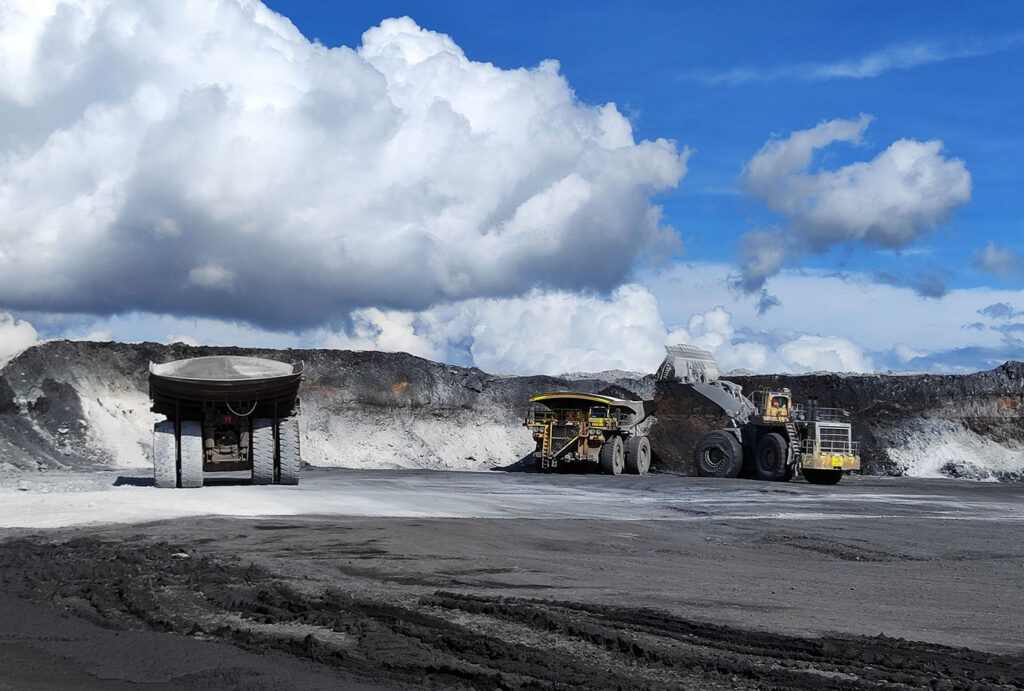
Road transport suits smaller and irregular volumes, mine sites without direct rail access, and shipments needing tight, flexible scheduling. It’s faster to mobilise and easier to reroute around delays. Still, per-tonne cost rises with distance and it depends on road conditions and overload regulations under the National Road Traffic Act.

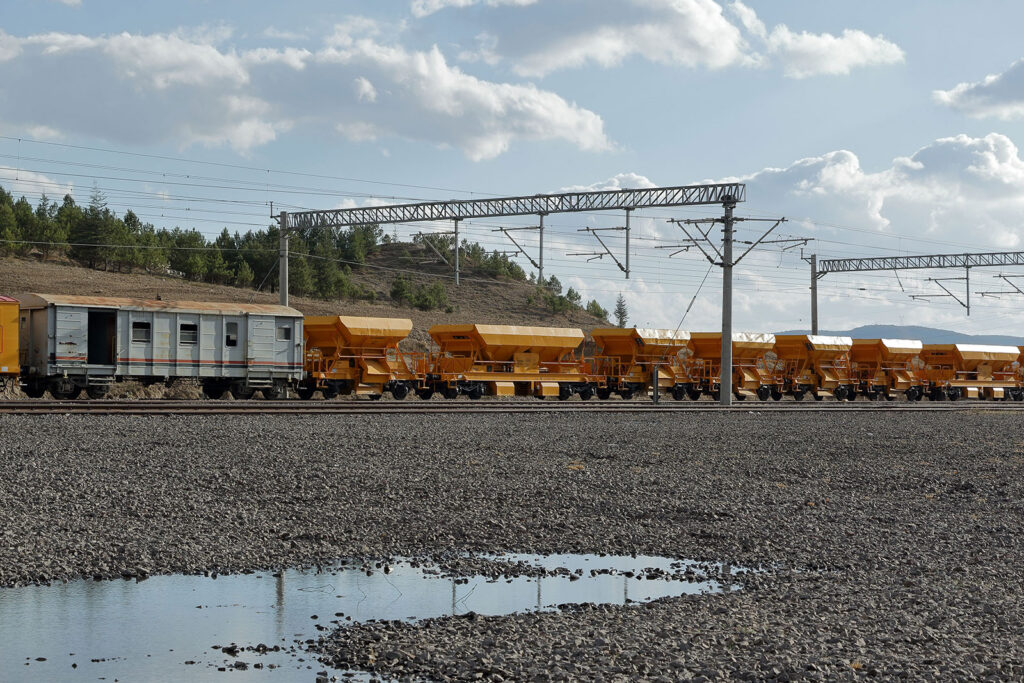
Rail transport suits large, consistent volumes moving long distances, particularly toward Durban or Richards Bay for export. It’s typically more cost-effective at scale and reduces road wear and haulage truck numbers, but requires siding access, fixed scheduling, and less flexibility if production volumes shift.

Most established mineral transport operations in South Africa run a mixed model: road for the first and last mile, rail for the long inland-to-port haul, coordinated so neither leg sits waiting on the other.

What mineral logistics coordination actually involves

Coordination is the part that turns individual truck or rail bookings into a working supply chain. In practice, it covers:

  • Scheduling and sequencing: Matching transport capacity to production output and buyer or port deadlines, so loads aren’t waiting on trucks or trucks aren’t waiting on loads.
  • Weighbridge and documentation control: Accurate weighbridge certificates, waybills, and chain-of-custody records for every load, essential for both payment reconciliation and regulatory compliance.
  • Route and safety compliance: Working within National Road Traffic Act overload limits, mine and haulage safety standards, and, for cross-border freight, the customs and permitting requirements at each border post.
  • Tracking and reporting: Knowing where a load is between the mine gate and destination, and being able to show a buyer or port exactly when it will arrive.
  • Contingency management: Weather, breakdowns, port congestion, and border delays are routine in South African mineral logistics; coordination means having a fallback before it’s needed, not after.

How to choose a mineral logistics provider

A few questions separate a reliable transport partner from a risk:

1

Do they operate their own fleet, or broker it out?

Owned fleet generally means tighter scheduling control and accountability.
2

Can they handle both road and rail legs, or only one?

A provider that coordinates both avoids handoff delays between separate contractors.
3

What's their track record on the specific corridor you need?

Bushveld-to-Durban experience is not the same as general freight experience.
4

How is documentation and weighbridge data handled?

Ask to see a sample chain-of-custody pack before committing.
5

What happens when something goes wrong?

Breakdown cover, alternative routing, and communication during delays are where providers are actually tested.

How Does Mineral Transport Work?

See it in action A Step-by-Step Guide

Mineral transport, chrome concentrate, and diesel supply: the same value chain

Mineral transport doesn’t run in isolation for most South African mining and commodity operations. It sits alongside two other decisions covered elsewhere in this cluster: bulk diesel supply to keep haulage fleets and site equipment running, and chrome concentrate supply and export, where transport coordination is what gets product from mine to port in exportable condition and on schedule. Businesses sourcing all three from one coordinated supplier remove two handoff points from the chain.

Bozorg's mineral transport and logistics coordination service

Bozorg coordinates road and rail transport for bulk minerals across South Africa’s key mining corridors, including the Bushveld Complex and Steelpoort, through to Durban and Richards Bay for export and to inland buyers across Gauteng. That includes scheduling, weighbridge and documentation control, safety and regulatory compliance, and load tracking from collection to delivery, coordinated alongside our diesel supply and chrome concentrate services where operations need more than one leg covered.

Explore the mineral transport knowledge hub

How Does Mineral Transport Work? A Step-by-Step Guide

How Does Mineral Transport Work? A Step-by-Step Guide

Home / Guides: Mineral Logistics / How Does Mineral Transport Work? A Step-by-Step Guide How…
2 min Read More
How to Choose a Mineral Logistics Provider in South Africa

How to Choose a Mineral Logistics Provider in South Africa

Home / Guides: Mineral Logistics / How to Choose a Mineral Logistics Provider in South…
2 min Read More
Mineral Transport from Steelpoort: A Bushveld Logistics Guide

Mineral Transport from Steelpoort: A Bushveld Logistics Guide

Home / Guides: Mineral Logistics / Mineral Transport from Steelpoort: A Bushveld Logistics Guide Steelpoort:…
3 min Read More
Road Transport vs Rail Transport for Bulk Minerals in South Africa

Road Transport vs Rail Transport for Bulk Minerals in South Africa

Home / Guides: Mineral Logistics / Road Transport vs Rail Transport for Bulk Minerals in…
2 min Read More

Mineral transport moves bulk product from mine or storage site to its next destination, by road, rail, or both. A transporter or logistics coordinator schedules capacity against production and delivery deadlines, manages weighbridge and compliance documentation for each load, and tracks it through to arrival, whether that’s a processing plant, a buyer, or an export port.

Road transport offers flexible, fast-to-mobilise haulage suited to smaller or irregular volumes and sites without rail access. Rail transport is more cost-effective for large, consistent volumes over long distances, particularly on inland-to-port export routes, but needs siding access and fixed scheduling. Most large operations use both, road for the first and last mile, rail for the long haul.

Check whether they run their own fleet or broker it out, whether they coordinate both road and rail rather than just one, their track record on your specific corridor, how they handle weighbridge and chain-of-custody documentation, and what their contingency plan is for breakdowns, port congestion, or border delays.

Coordination covers scheduling and sequencing transport against production, weighbridge and documentation control, route and safety compliance, load tracking and reporting, and contingency planning for delays. It’s the layer that turns individual truck or rail bookings into a working, on-time supply chain.

Yes. Bozorg coordinates mineral transport and logistics, including for chrome concentrate moving from Bushveld-area mines to export ports at Durban and Richards Bay, alongside our chrome concentrate supply and bulk diesel services.

Bozorg coordinates mineral transport across South Africa’s core mining corridors, including the Bushveld Complex (Steelpoort, Limpopo, Mpumalanga), the Gauteng buyer and logistics hub (Johannesburg, Midrand, Pretoria, Vereeniging), and export routes to Durban and Richards Bay, plus cross-border freight to neighbouring countries.