
Home / Guides: Chrome Supply / How Chrome Concentrate Export Works from South Africa
A practical guide for international buyers on how chrome concentrate moves from South African mines to international markets, covering logistics, ports, shipping, and what to expect from an experienced supply partner.
The Chrome Export Supply Chain
Chrome concentrate export from South Africa follows a multi-stage supply chain, beginning at the mine and ending at the buyer’s destination port or facility. Understanding each stage helps international buyers assess supplier capability, identify logistics risks, and structure supply arrangements that perform reliably.
Stage 1, Mining and Beneficiation
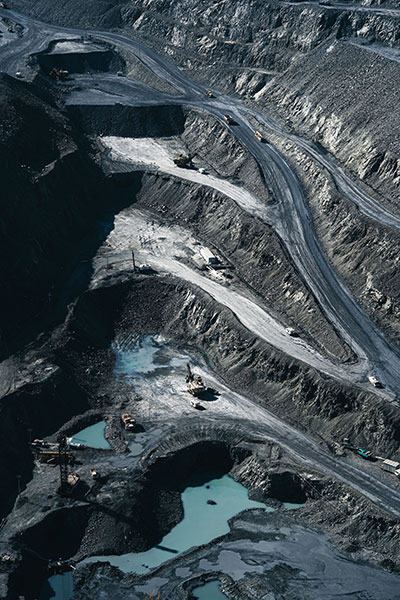
Chrome mining in South Africa is concentrated in the Bushveld Igneous Complex, primarily across Limpopo and North West provinces. Chromite ore is extracted by open-cast or underground mining methods, then processed through beneficiation, crushing, milling, and gravity or magnetic separation to produce chrome concentrate at the required Cr2O3 specification.
The beneficiation process takes place at a processing plant adjacent to or near the mine site. The grade and consistency of output depend on the ore body quality, processing equipment, and operational management at the plant level.
Stage 2, Mine-to-Port Logistics
Once concentrated material is ready for export, it must be transported from the processing plant to the nearest export port. This is predominantly done by road transport, a critical operational stage that introduces variables around vehicle availability, road conditions, and scheduling coordination.
For chrome operations in Limpopo and North West, the primary export ports are:
- Richards Bay: The dominant port for bulk mineral exports from the Bushveld region; handles the majority of South African chrome concentrate exports
- Durban: Used for some chrome export volumes, particularly for operations with better road access to the east coast via the N3 corridor
Bozorg’s mineral transport and logistics coordination capability covers this mine-to-port stage, managing road-based haulage to align with port windows and export scheduling.
Stage 3, Port Handling and Vessel Loading
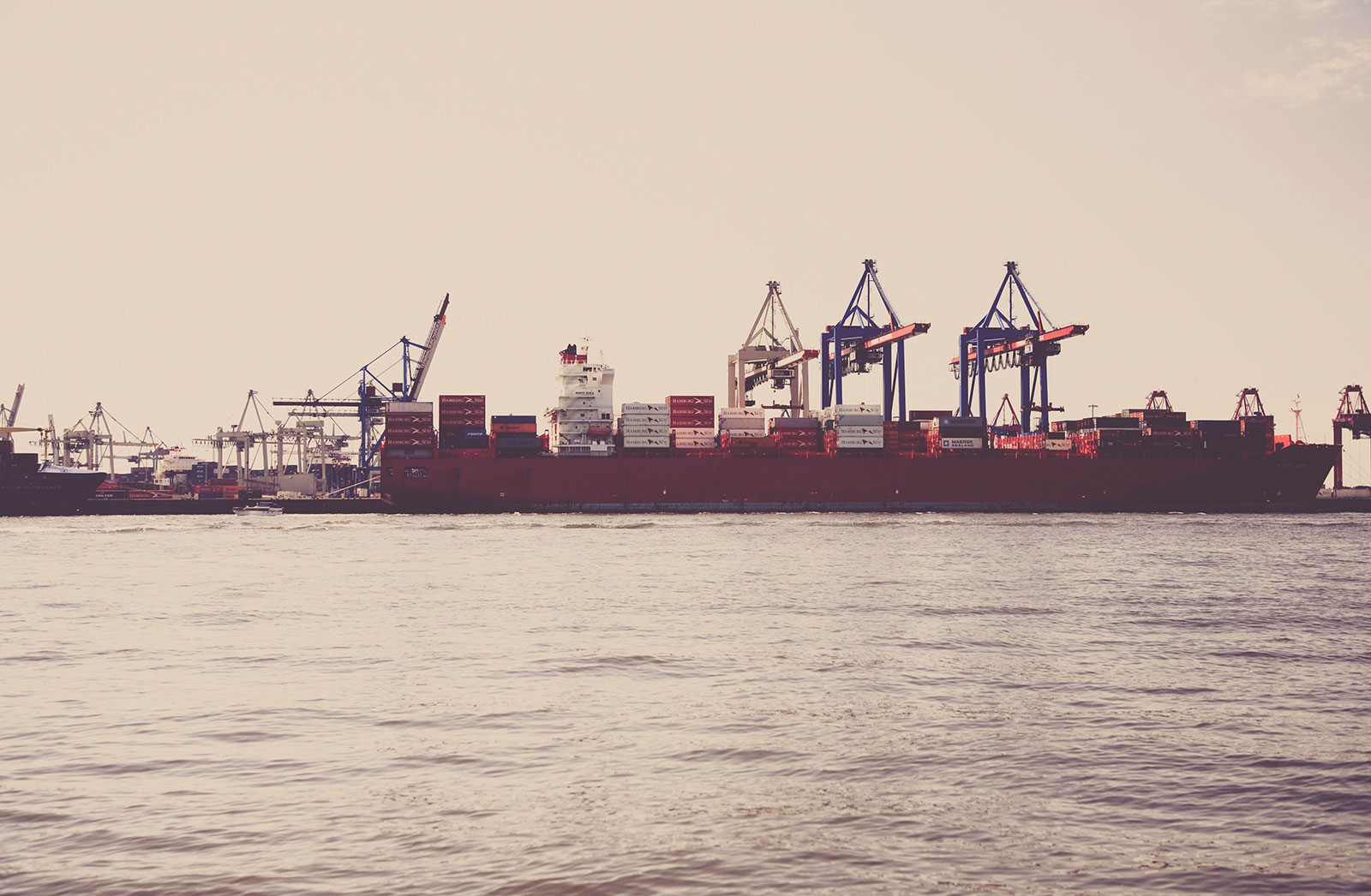
At Richards Bay or Durban, chrome concentrate is typically handled through dedicated bulk terminal facilities. Material is stockpiled, sampled for quality verification, and loaded onto bulk carrier vessels for export.
Buyers should be aware that port congestion, vessel scheduling, and terminal handling capacity can affect export timelines, particularly during periods of high export volume or disruption. An experienced supply partner with established port relationships can significantly mitigate these risks.
Stage 4, Shipping to Destination Markets
Chrome concentrate is shipped in bulk carriers, either Handysize, Supramax, or Panamax class vessels depending on the volume and buyer’s requirements. Transit times from South African ports to China range from approximately 20 to 30 days, depending on routing and vessel speed.
The majority of South African chrome concentrate exports are shipped to China, with secondary volumes destined for the Middle East, Japan, and other stainless steel producing regions.
FAQs: Chrome Concentrate Export
Everything you need to know
Which port handles the most chrome concentrate exports from South Africa?
Richards Bay is the primary export port for chrome concentrate from South Africa, handling the majority of bulk mineral exports from the Bushveld Complex mining region.
How long does it take to ship chrome concentrate from South Africa to China?
Transit times from South African ports to China are typically 20 to 30 days depending on the specific routing, vessel type, and port of call.
Can Bozorg manage the full export supply chain from mine to ship?
Yes. Bozorg’s combined chrome supply and mineral transport logistics capability covers mine-to-port coordination, supporting buyers who require an integrated supply chain solution rather than managing logistics independently.